Hindu funeral rites are among the oldest in continuous practice anywhere in the world. They centre on cremation as the means by which the soul is freed from the body, and on the family’s role in guiding the deceased through the transition from this life to the next. This guide gives an overview of what to expect. Practices vary considerably by region, family tradition, and community — the family’s pandit (Hindu priest) is the right person to advise on anything specific.
Timing
Cremation should ideally take place within 24 hours of death. In the UK, registering the death and obtaining the necessary cremation certificates usually means 2–4 days in practice. The body may be kept at a funeral director’s care or, in some families, at home during this time.
Preparation of the body
Family members — traditionally women — wash the body with a mixture of water, milk, yoghurt, ghee (clarified butter), and honey, while reciting mantras. Water from the River Ganges (Ganga jal) is considered highly sacred and may be placed in the mouth of the recently deceased. The body is dressed in white clothing (signifying purity), with hands folded in a position of prayer. A married woman who predeceased her husband is traditionally dressed in red bridal clothing in many communities. The body may be garlanded with flowers.
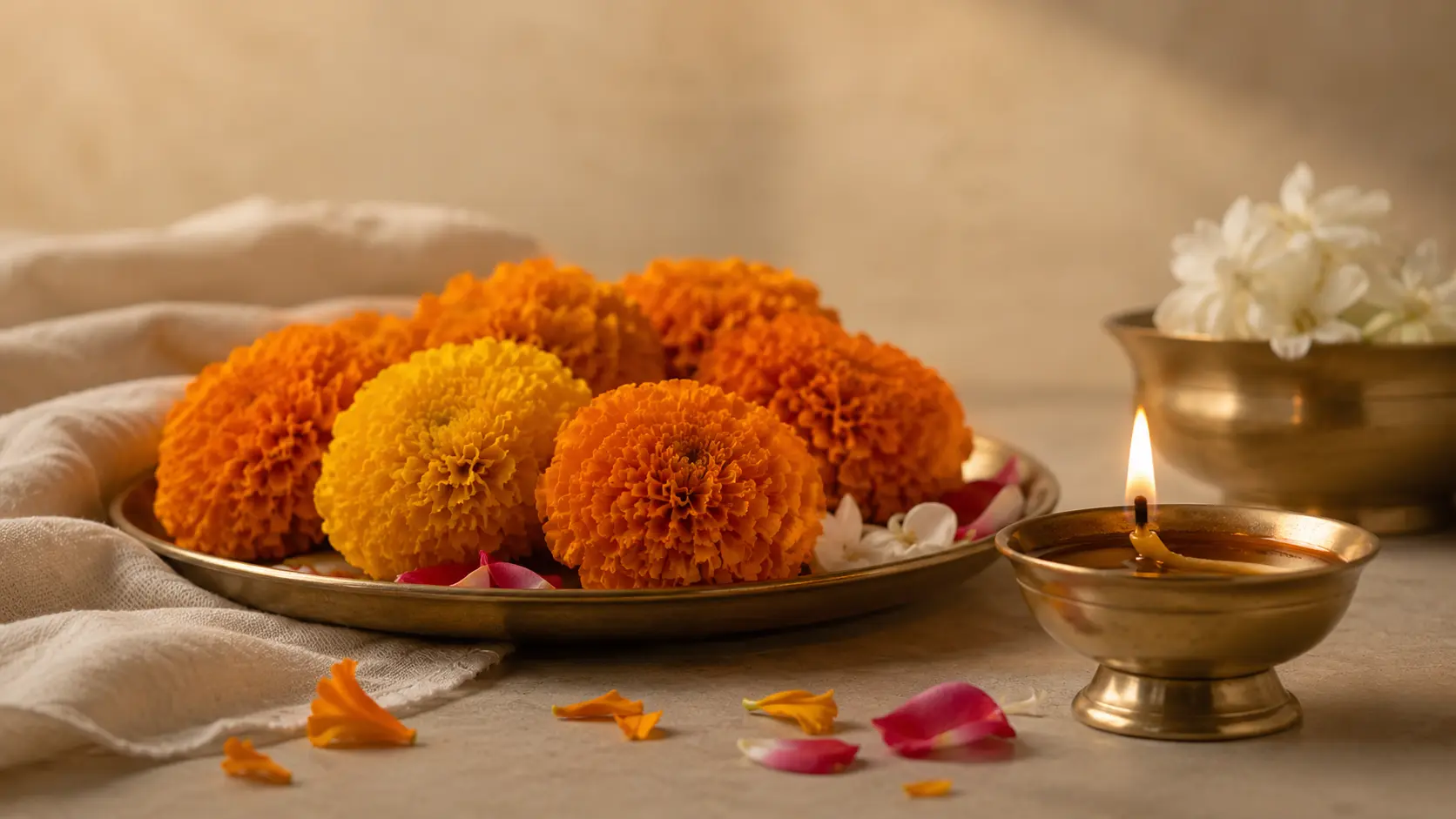
A lighted oil lamp (diya) is kept near the body.
Cremation
Cremation is the universal practice for Hindu adults — it is understood as the means by which the soul (atman) is released from the body to continue its journey. Burial is used only for infants, very young children, and certain renunciants. In the UK, cremation takes place in standard crematoria.
The service
The funeral rites are called Antyesti (अन्त्येष्टि — “last rites”; also Antyeshti or Antima Samskara — the final of life’s sixteen sacraments). The service is led by a pandit (Hindu priest). Key elements include:
- Recitation of mantras and hymns, including passages from the Bhagavad Gita and the Garuda Purana — a text dealing specifically with the soul after death
- Pinda dan — the offering of rice balls by the chief mourner, symbolising provision for the soul’s journey
- Mukhagni (मुखाग्नि — “fire to the mouth/face”): the symbolic lighting of the cremation by the chief mourner. In India this involves lighting the pyre directly; in a UK crematorium, the chief mourner presses the cremator button or places a lighted taper as a symbolic equivalent
The chief mourner is traditionally the eldest son, though in UK families daughters and other relatives increasingly share this role.
The procession
In India, the bier is traditionally carried on the shoulders of male family members to the cremation ground, with mourners chanting Ram naam satya hai (राम नाम सत्य है — “The name of Ram is truth”). In the UK, the body is brought to the crematorium by hearse; the mourners follow.
After cremation
The ashes (asthi) are traditionally collected on the third day and immersed in a sacred river — ideally the Ganges at Haridwar, Varanasi, or Prayagraj. Many UK families travel to India for this; others use rivers closer to home, which is legal in the UK provided Environment Agency guidelines are followed. Some families use specialist services that transport ashes to India.
The mourning period
The formal mourning period lasts thirteen days, during which the family remain at home, receive visitors, and perform daily prayers and rituals. Male relatives traditionally do not shave. A prominent photograph of the deceased is displayed with a garland.
Key rites within this period include the daily pinda dan offerings for the first ten days and the Sapinda Shraddha ceremony on the twelfth day, which formally transitions the soul from preta (wandering spirit) to pitru (ancestor). The thirteenth day marks the close of active mourning, usually with a shared meal.
An annual Shraddha ceremony honours the deceased on the anniversary of death and during the Pitru Paksha fortnight (typically September or October), when offerings are made to the ancestors.
If you are attending
Dress modestly and in muted or white clothing. Remove shoes if requested. The service may involve Sanskrit prayers that are unfamiliar — sitting quietly and respectfully is entirely appropriate. Following the lead of family members throughout is the simplest guide.
For more in the series, see our guides to Jewish funerals, Muslim funerals, Sikh funerals, and see our guides to cremation in the UK, green and woodland funerals and humanist funerals.
We create bespoke orders of service for funerals of all faiths and traditions. Send us a message or call free on 0800 612 6484.