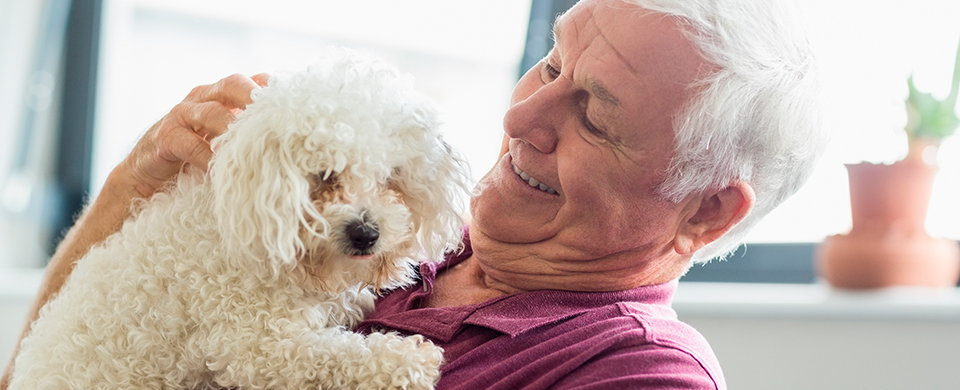
When a loved one is receiving hospice care, each day carries a particular weight — for the patient and for everyone around them. Hospice teams work with enormous skill and compassion to bring comfort and dignity to this time. For many patients, one of the brightest parts of the week is a visit from a therapy animal.
Pets as Therapy
Pets as Therapy — known as PAT — is a national charity that registers animals to visit hospices, hospitals, care homes and schools alongside their volunteer owners. The scheme was founded in 1983 and now has thousands of registered volunteers across the UK. Dogs are the most common PAT animals, but cats, rabbits, guinea pigs and even birds can take part where the setting allows.
PAT animals are assessed for temperament before registration. They must be calm, confident and comfortable around people in a range of situations — including those who may be unwell, distressed or using medical equipment. The assessment is carried out by trained PAT assessors, and only animals that pass are registered for visits.
How visits work
A registered PAT volunteer visits their assigned hospice or care setting on a regular basis — usually weekly or fortnightly — and spends time with patients who have expressed a wish to see an animal. Some visits take place in communal areas; others happen at a patient’s bedside.
Where family members happen to be present, they are welcome to participate too. There is no agenda. The animal is simply there — sitting quietly, accepting a stroke, perhaps resting a head on a lap. Conversations happen naturally, or not at all. The visit lasts as long as feels right.
The benefits for patients
Animals have a particular gift for sensing when someone needs comfort. A PAT dog will often settle quietly beside a patient who is anxious or in low spirits, offering warmth without any need for words. Research has consistently shown that interacting with animals lowers blood pressure, reduces cortisol levels and eases anxiety. For patients who have been dog or cat owners themselves, the familiarity of the experience is deeply reassuring.
Hospice staff frequently observe that patients ask when the PAT animals are next due. It gives them something to look forward to — and in a setting where low mood is common, that matters. These visits bring lightness and genuine smiles to people going through one of the most difficult periods of their lives.
How to arrange a visit for a loved one
If your loved one is receiving hospice care and you think a therapy animal visit might bring them comfort, speak to the hospice’s nursing or care team. Many hospices already have an established relationship with PAT volunteers and can arrange visits directly. If the hospice does not currently have a PAT scheme, they can apply to set one up through the charity.
Full information about the Pets as Therapy scheme — including how to find your nearest PAT volunteer or register your own pet — is available at petsastherapy.org.
Volunteering your own pet
If you have a calm, friendly pet and would like to volunteer, PAT welcomes applications. Your animal must be over nine months old, have been in your care for at least six months, and be fully vaccinated. An assessment will be carried out before registration. It is a quiet and rewarding form of volunteering — and, by many accounts, as good for the animal as it is for the people they visit.
The effect on families
A PAT visit is not only for the patient. Families who are spending long hours at a hospice — in the particular emotional limbo of sitting with someone they love as they near the end of their life — often find the presence of a therapy dog as comforting as the patient does. There is something about an animal’s uncomplicated warmth that cuts through the weight of the situation and makes it, briefly, lighter. It does not require anything of you. It simply sits with you.
Hospice staff frequently observe the same effect. Nursing and care work in this setting is among the most emotionally demanding in healthcare, and PAT volunteers often hear from carers that the animals lift the atmosphere of an entire ward — not in a way that trivialises what is happening, but in a way that makes clear that gentleness and warmth are still present, even here.
If you have your own dog and have ever brought them into a care setting informally — during a visit to a relative — you may already have seen this at first hand. The formal PAT scheme simply extends and supports something that many people already instinctively understand.
If you are planning a funeral for a loved one who has recently been in hospice care, we can help with bespoke orders of service and memorial stationery. Call us free on 0800 612 6484 or send us a message.